Finance & Business
JPMorgan Chase Takes Over Apple Card Partnership from Goldman Sachs in 2026 Deal
JPMorgan Chase Secures Apple Card Partnership: Major Shift from Goldman Sachs in 2026In a significant shake-up for consumer fintech, JPMorgan Chase announced on January 8, 2026, that it will take over the Apple Card credit card program from Goldman Sachs beginning in 2026. The multi-year agreement ends Goldman's nearly six-year partnership with Apple, which had become increasingly strained amid mounting losses and regulatory scrutiny.The deal, first reported by The Wall Street Journal and confirmed by both companies, transfers the entire Apple Card portfolio—including customer accounts, balances, and backend operations—to JPMorgan, the largest US bank by assets. Terms were not disclosed, but sources indicate JPMorgan paid a premium to acquire the high-value customer base.Apple Card Background and Goldman's ExitLaunched in 2019 as Apple's first credit card in partnership with Goldman Sachs, the Apple Card quickly gained popularity for its seamless Wallet app integration, daily cash back (1-3%), no fees, and privacy-focused features. It attracted millions of users, particularly within the Apple ecosystem.However, Goldman Sachs reportedly lost over $1 billion on the program due to higher-than-expected credit losses, underwriting missteps, and customer service challenges. Regulatory pressure from the CFPB over dispute handling accelerated Goldman's desire to exit consumer lending entirely.Apple explored multiple bidders, with JPMorgan emerging victorious over competitors like Synchrony Financial.Why JPMorgan Won the Apple Card DealJPMorgan's strengths made it the ideal partner:Massive scale: 80+ million credit card accounts and leading rewards programs (Chase Sapphire).
Advanced tech infrastructure for seamless digital experiences.
Strong underwriting and risk management to handle Apple's premium customer demographics.
Existing co-brand successes (Amazon, United Airlines).
The bank aims to deepen ties with affluent Apple users, cross-selling products like checking accounts and investments.What Changes for Apple Card Holders?Most terms remain unchanged:Same cash back rates, no fees, and Wallet integration.
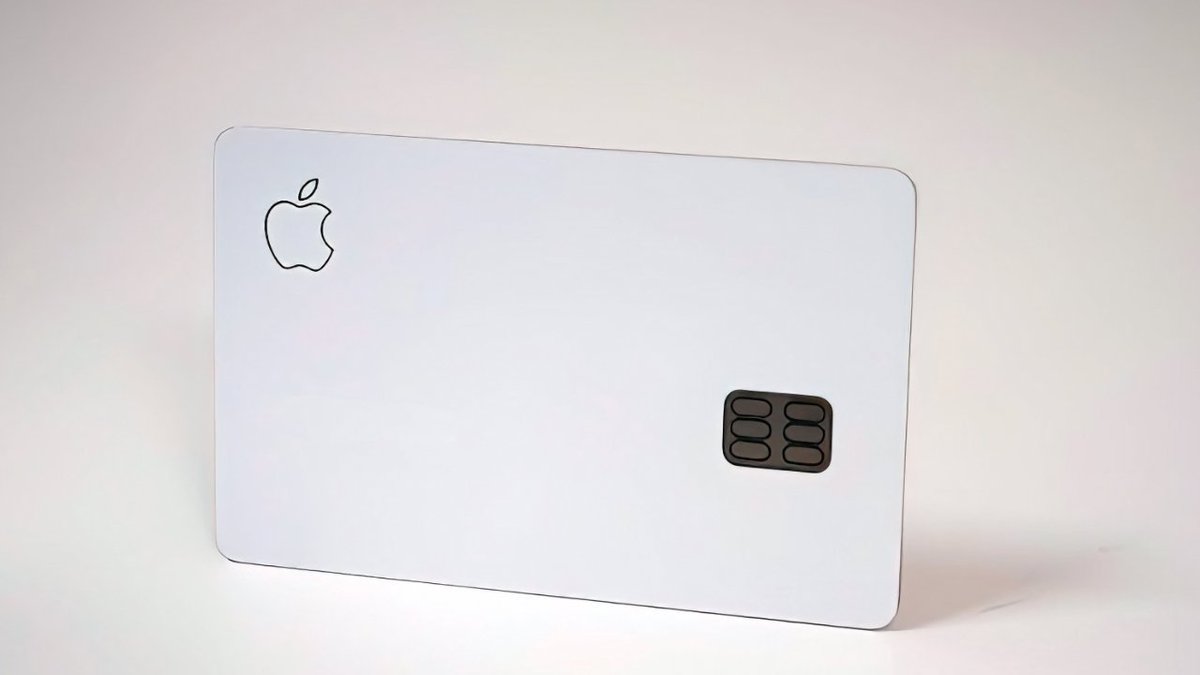
Daily Cash, budgeting tools, and titanium card option continue.
Potential new perks from Chase's ecosystem (e.g., travel redemptions).
Transition details will roll out in 2026, with cards reissued bearing JPMorgan branding on the back. Apple assures "no disruption" during migration.Market and Industry ImpactThe shift validates Apple's card as a valuable asset despite Goldman's struggles—proving the product's appeal transcends the issuer.For JPMorgan:Bolsters its consumer banking push under CEO Jamie Dimon.
Adds millions of high-income, tech-savvy customers.
Enhances data insights for personalized offers.
Goldman Sachs accelerates its retreat from retail banking, focusing on core investment banking and wealth management.Broader Implications for Fintech PartnershipsThe handover highlights challenges in bank-tech collaborations: mismatched risk appetites and profitability expectations. Apple's insistence on customer-friendly terms (no late fees, low interest promotion) clashed with Goldman's conservative approach.Future Apple financial products—like rumored buy-now-pay-later expansions or savings accounts—may now involve JPMorgan.As the partnership transitions in 2026, Apple Card holders can expect continuity with potential upside from Chase's rewards expertise.This deal reinforces JPMorgan's dominance in co-brand cards while giving Apple a more stable, experienced partner for its growing financial services ambitions.
Comments (0)
Please log in to comment
No comments yet. Be the first!