Finance & Business
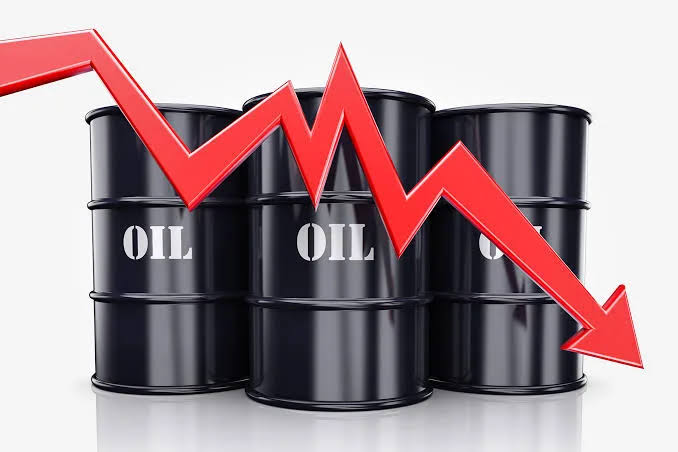
Crude Oil Falls Below $80 Per Barrel as Supply Concerns Ease
Crude oil prices have fallen below the key $80 per barrel level, marking a notable retreat from the elevated prices seen earlier in the year. Both Brent crude, the international benchmark, and West Texas Intermediate (WTI), the U.S. benchmark, have traded under this threshold as markets reassess supply risks and demand outlooks.The move lower reflects a combination of improved expectations for oil flows through critical shipping lanes and broader shifts in investor sentiment.Current Price ActionRecent trading sessions have seen:Brent crude dipping below $80 per barrel
WTI also moving under the same psychological level
Sharp daily percentage declines in some sessions as risk premiums unwind
Oil prices had previously surged well above $100 during periods of heightened tension in the Middle East, particularly around disruptions or threats to the Strait of Hormuz. The recent decline signals that some of that geopolitical risk premium is fading.Key Drivers Behind the DropSeveral factors are contributing to the downward pressure:Improved Supply Outlook — Market participants are pricing in greater confidence that oil shipments through the Gulf region can continue or resume more normally.
Diplomatic Developments — Progress or pauses in regional conflicts have reduced immediate fears of major supply interruptions.
Demand Concerns — Softer economic data in major consuming regions has raised questions about the strength of near-term oil demand.
Profit-Taking — After strong earlier gains, some investors have locked in profits, adding to selling pressure.
Analysts note that oil markets remain highly sensitive to headlines from the Middle East, so prices could remain volatile.Impact on Energy Markets and ConsumersLower oil prices generally translate into:Reduced fuel costs at the pump over time
Lower input costs for airlines, shipping, and manufacturing
Potential relief for inflation in energy-sensitive economies
Pressure on oil-producing nations’ budgets and energy company revenues
For consumers, sustained prices below $80 could ease pressure on household budgets, particularly if the decline holds through the summer driving season and into later months.Producer and Industry ResponseOil-producing countries and major energy companies are closely monitoring the price action. Some producers may adjust output plans if prices remain under pressure for an extended period. Conversely, lower prices can also stimulate demand and eventually support a rebalancing of the market.Energy stocks have reacted mixedly, with integrated majors and pure-play producers seeing varied performance depending on their hedging strategies and cost structures.Broader Market ContextThe drop below $80 comes against a backdrop of ongoing global economic uncertainty and shifting expectations around interest rates and growth. Commodity markets overall have shown sensitivity to both geopolitical news and macroeconomic data.Investors are watching upcoming inventory reports, OPEC+ decisions, and any further developments in the Middle East for the next directional cues.What to Watch NextKey factors that could influence oil prices in the coming weeks include:Actual shipping volumes through the Strait of Hormuz and other chokepoints
Statements from major producers and consumer nations
Economic indicators from China, the U.S., and Europe
Inventory data from the U.S. Energy Information Administration and other sources
Any renewed escalation or de-escalation in regional conflicts
Comments (0)
Please log in to comment
No comments yet. Be the first!