Finance & Business
China Orders Meta to Unwind $2 Billion Acquisition of AI Startup Manus
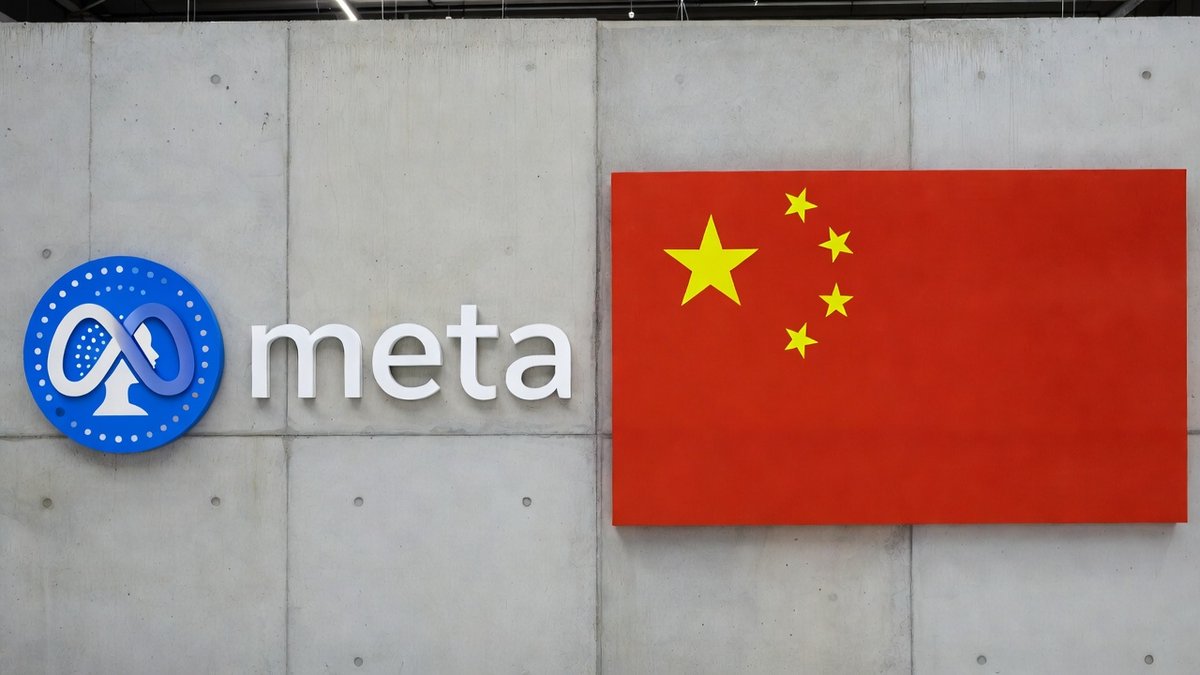
China Orders Meta to Unwind $2 Billion Acquisition of AI Startup ManusIn a major escalation of U.S.-China tech tensions, China’s National Development and Reform Commission (NDRC) has officially ordered Meta to unwind its $2 billion acquisition of the AI startup Manus.The surprise decision, announced on April 27, 2026, requires both parties to cancel the transaction that was completed in December 2025. The move highlights Beijing’s growing determination to prevent advanced Chinese AI talent and technology from moving to U.S. companies.Background of the DealMeta acquired Manus — a Singapore-based but Chinese-founded AI agent startup — in late 2025. Manus developed autonomous AI agents capable of complex tasks such as writing research reports, creating presentations, and building websites. The deal was seen as a significant boost for Meta’s AI ambitions, particularly in the fast-growing “agentic AI” space.However, the acquisition quickly drew scrutiny in China. Regulators launched an investigation in January 2026, barred Manus co-founders from leaving the country, and raised concerns about technology leakage and brain drain.Why China Blocked the DealAccording to the NDRC’s brief statement, the prohibition was made “in accordance with laws and regulations” regarding foreign investment. Analysts point to several key reasons:National Security Concerns: Preventing cutting-edge AI technology from falling under U.S. control.
Stemming Brain Drain: Keeping top Chinese AI talent and intellectual property within China.
Strategic Tech Competition: Beijing is increasingly protective of its AI sector as rivalry with the United States intensifies.
This is one of the rare instances where China has forced the unwinding of an already-completed foreign acquisition.Implications for Meta and the AI IndustryMeta must now reverse the integration of Manus employees (many of whom had already moved to Meta’s Singapore offices) and return any transferred assets and capital.
The decision creates uncertainty for future cross-border AI deals involving Chinese founders.
It sends a strong signal to Chinese tech entrepreneurs that “Singapore-washing” (relocating headquarters to Singapore while maintaining Chinese roots) may no longer protect them from Beijing’s oversight.
For the broader industry, this move underscores how geopolitical tensions are reshaping global AI development. Companies on both sides of the Pacific are finding it increasingly difficult to acquire talent and technology across borders.What Happens Next?Meta has not yet issued a detailed public response beyond acknowledging contact from regulators. Unwinding the deal could involve complex legal and operational challenges, especially since some Manus staff have already integrated into Meta teams.The timing is notable, coming just weeks before a planned summit between U.S. President Donald Trump and Chinese President Xi Jinping.This development adds another layer of complexity to the ongoing U.S.-China tech cold war, where AI has become one of the most fiercely contested battlegrounds.
Comments (0)
Please log in to comment
No comments yet. Be the first!