Finance & Business
airBaltic Files for Chapter 11 as Iran War Fuel Costs Hit Latvia’s Flag Carrier
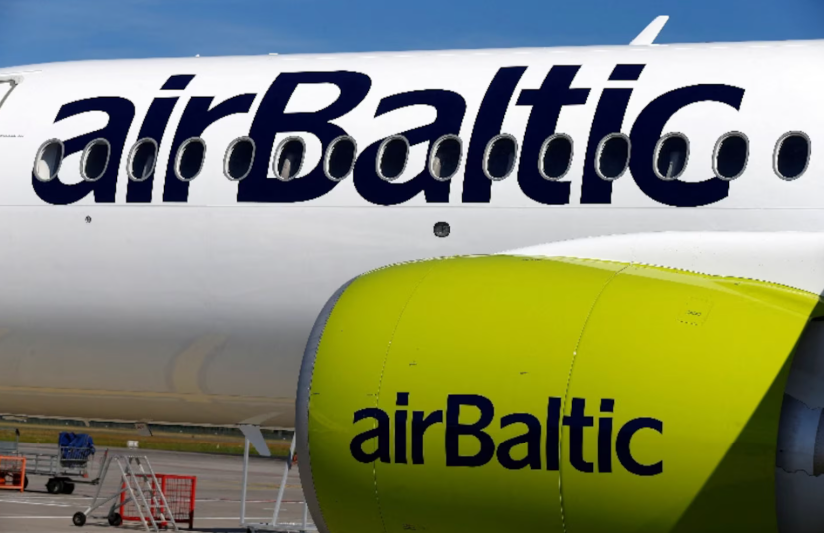
Latvia’s flag carrier went to a New York bankruptcy court on Monday.airBaltic filed for Chapter 11 protection in the Southern District of New York, case 26-12188, along with training and cargo affiliates. The company said it will keep flying, selling tickets, and running customer service while it restructures debt. It expects the court process to finish around June 2027.This is not a grounding. Chapter 11 is designed so a company can operate under a judge while creditors are held at bay. Management and the supervisory board stay in place. Chairman Andrejs Martinovs said the job is still to keep Latvia connected and cut obligations until the airline can stand on its own.The trigger is money that ran out after jet fuel doubled in the U.S.–Iran war — the worst shock to airlines since Covid, carriers and investors have warned for months. airBaltic is the second airline collapse tied to that shock after Spirit Airlines failed in May.The Cash That Buys TimeThe airline lined up a commitment for €350 million (about $405 million) in debtor-in-possession financing from Strategic Value Partners, Barclays, Hayfin Capital Management, Morgan Stanley, and Oaktree Capital Management. The rate is about 12 percent. The court still has to approve it. Together with cash from flying, airBaltic says that should fund operations through the case.That package replaced a uglier stopgap. Bondholders had been asked to back up to €257 million of new super-senior debt due February 2027 at 25 percent interest. A vote slipped from September 11 toward September 15. It did not save the weekend.Prime Minister Andris Kulbergs said holders of more than 70 percent of the debt would not approve a loan needed for survival and preferred liquidation. He called Chapter 11 one of the better ways to keep the company alive and give a restructuring plan time. The state already lent €30 million in April. It owns about 88.37 percent of airBaltic. Lufthansa holds about 10 percent.Kulbergs has also said Baltic routes may need closer to 30 aircraft, not the roughly 50 Airbus A220-300s airBaltic built. That is a smaller airline than the one that spent a decade standardizing on the A220 — and then ate Pratt & Whitney engine trouble on that same fleet.Who Is OwedCourt papers sketch a long creditor list: as many as 25,000 claims. The largest unsecured name in early reporting is Pratt & Whitney, at about $66.5 million. Other large figures include Latvian environmental and state bodies, the tax authority, Riga Airport, Eurocontrol, Shell Energy Europe, and aircraft lessors. The state is both owner and creditor. That is how flag carriers usually fail: the government is on both sides of the table.airBaltic said it chose New York because its obligations are international and Chapter 11 is a known process for airlines and lessors. European insolvency tools exist. Big aircraft finance still often ends up in U.S. court.Fuel Was the Last ShoveThe balance sheet was already thin. Engine shop visits, growth on a single-type fleet, and pandemic-era scars never fully left. The war made jet fuel the item that would not wait. Industry groups have cut global airline profit forecasts roughly in half for 2026 as fuel bills jumped tens of billions of dollars. Small and mid-size carriers with little hedge cover feel it first.airBaltic flies a region that needs the airline more than the airline needs fat margins. Riga is a hub because airBaltic made it one. If the fleet shrinks to 30 jets, some cities lose frequency before they lose the brand. That is the political problem inside the legal one.A strategic investor is still the government’s hoped-for ending. Chapter 11 can force lessors and bondholders into a deal a voluntary 25 percent loan could not. It can also end in a sale of pieces. The DIP lenders did not write €350 million to watch a quiet liquidation. They wrote it to sit at the front of the line while the company keeps collecting fares.What Passengers Should AssumeTickets sold remain valid, the company says. Schedules are supposed to run. That is the standard Chapter 11 airline script. It is also a promise that depends on lessors leaving aircraft on the property and on fuel suppliers staying paid from the new facility.Travelers booking winter should treat the brand as flying and the capital structure as changing. Frequent-flyer balances and vouchers become claims if a plan later impairs them. For now the website still sells seats.Staff will hear the same two messages every airline in court uses: operations first, jobs later. A smaller network is already in the prime minister’s numbers. That is not a rumor. It is the scale debate attached to the filing.The Sector WatchSpirit was the first war-linked failure. airBaltic is the first European flag carrier to use U.S. Chapter 11 in this cycle. Other stretched airlines are raising capital or cutting flying. Fuel above crisis levels does not stay a Baltic story.Lufthansa’s 10 percent is a footnote with a phone number. A German group that already knows the A220 and the region could be a buyer, a partner, or a passerby. The Latvian state will decide how much of an airline it still wants to own after June 2027.Monday’s filing is a pause button, not a verdict. The verdict is whether a 30-jet Baltic carrier can service whatever debt is left when oil is this expensive — and whether passengers still show up if the map shrinks.
Comments (0)
Please log in to comment
No comments yet. Be the first!