Finance & Business
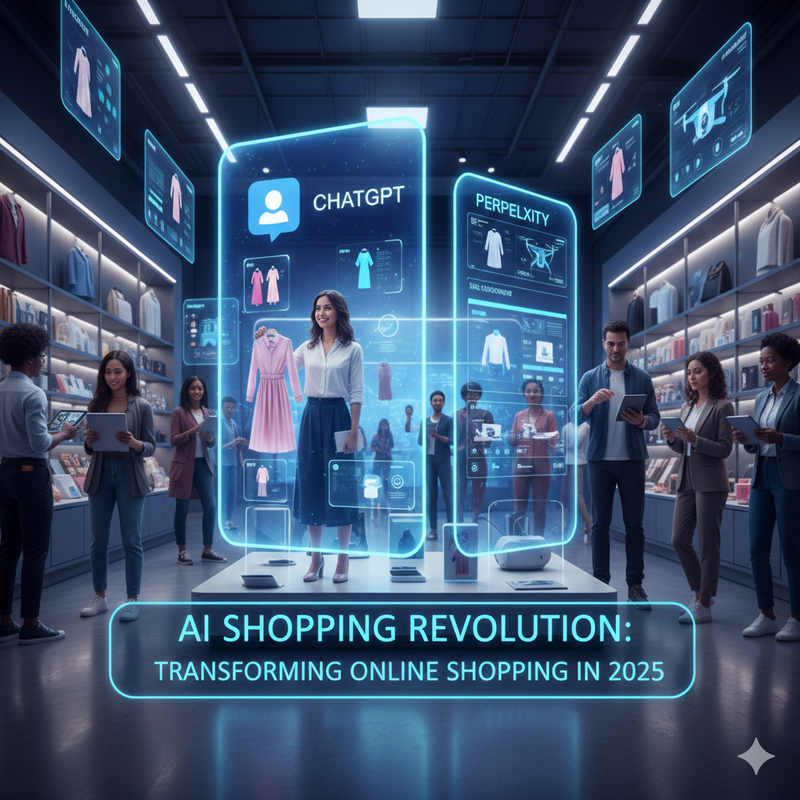
AI Shopping Revolution: How ChatGPT and Perplexity Are Transforming Online Shopping in 2025
AI Shopping Revolution: How ChatGPT and Perplexity Are Transforming Online Shopping in 2025
The Future of E-Commerce Is Here: AI Shopping Assistants Take Center Stage
The holiday shopping landscape just got a major artificial intelligence upgrade. OpenAI and Perplexity have both introduced new AI shopping features this week, integrating them directly into their existing chatbots to help users research potential purchases. This strategic move positions these AI giants at the forefront of what experts predict will be an explosive season for AI-assisted commerce.
What Are AI Shopping Assistants and How Do They Work?
AI shopping assistants represent a fundamental shift in how consumers discover, evaluate, and purchase products online. Unlike traditional search engines that simply return lists of results, these intelligent tools engage in conversational commerce, understanding context, preferences, and nuanced requirements.
ChatGPT's Shopping Research Feature allows users to make complex queries in natural language. For instance, shoppers can ask ChatGPT to find specific items like a gaming laptop under one thousand dollars with a screen larger than fifteen inches, or even upload photos of designer garments and request similar items at lower price points. The system takes several minutes to deliver comprehensive, well-researched recommendations for complex purchases.
Perplexity's Personalized Shopping Experience leverages the platform's memory capabilities to deliver increasingly personalized results. The system retains memory of previous queries and taste signals, meaning users can ask for recommendations based on information the chatbot already knows about their lifestyle, location, or work requirements. This contextual awareness makes product discovery feel more like consulting with a knowledgeable personal shopper than browsing through endless product listings.
The Game-Changing Integration: Native Checkout Features
What truly sets these AI shopping assistants apart from earlier iterations is their seamless integration with payment systems. OpenAI and Perplexity have partnerships with Shopify and PayPal, respectively, allowing users to check out within the conversational interface. This native checkout functionality eliminates one of the biggest pain points in online shopping: abandoned carts due to complicated checkout processes.
For Perplexity users, the "Instant Buy" option powered by PayPal enables purchases from over five thousand merchants without ever leaving the chat interface. Meanwhile, OpenAI's Shopify integration provides similar convenience, compressing the traditional research, browse, and purchase journey into a single conversational flow.
The Timing Couldn't Be Better: A 520% Growth Forecast
The launch of these AI shopping assistants comes at a pivotal moment for the e-commerce industry. Adobe predicted that AI-assisted online shopping will grow by 520% this holiday season, signaling massive consumer adoption of AI-powered shopping tools. This explosive growth isn't just speculation—it reflects a fundamental shift in consumer behavior as shoppers become increasingly comfortable trusting AI recommendations for purchase decisions.
The holiday shopping rush provides the perfect testing ground for these new features. With millions of consumers actively searching for gifts and deals, both OpenAI and Perplexity can rapidly gather user feedback and refine their algorithms based on real-world shopping behavior.
Why Specialized Startups Remain Confident Despite Tech Giant Competition
While the entry of OpenAI and Perplexity into AI shopping might seem threatening to smaller competitors, specialized shopping startups like Phia, Cherry, and Onton maintain they have distinct advantages. These companies argue that vertical specialization trumps broad general-purpose capabilities.
Zach Hudson, CEO of interior design platform Onton, explains that general AI tools rely on existing search indexes from Bing or Google, which limits their effectiveness. Specialized platforms, by contrast, develop proprietary datasets with normalized attributes, unified taxonomies, and domain-specific metadata that allow for far more precise filtering and recommendations.
Fashion-focused startups similarly argue that their category requires nuanced understanding of fabrics, silhouettes, and style preferences that general-purpose chatbots cannot replicate without deep domain expertise. By focusing on specific verticals, these companies can offer superior product curation, better size guidance, compatibility checks, and more accurate bundle recommendations.
The Strategic Implications: Revenue Models and Market Disruption
For OpenAI and Perplexity, both of which consume substantial computational resources, e-commerce represents a promising path toward profitability. Following the models established by Google and Amazon, these AI platforms could eventually monetize their shopping features by allowing retailers to pay for promoted product placements within search results.
However, this approach raises concerns about potential conflicts between authentic recommendations and paid advertising. If AI shopping assistants begin prioritizing sponsored products over genuinely best-fit options, they risk undermining the trust that makes them valuable in the first place.
What This Means for Consumers: Benefits and Considerations
For everyday shoppers, AI shopping assistants offer several compelling advantages:
Time Efficiency: Instead of visiting dozens of websites and comparing specifications manually, users can describe their needs in natural language and receive curated recommendations in minutes.
Personalization at Scale: The ability of these systems to remember preferences and context means recommendations become increasingly accurate over time, adapting to individual shopping patterns and lifestyle factors.
Reduced Decision Fatigue: By synthesizing product reviews, specifications, and comparisons, AI assistants help cut through the overwhelming number of choices that often paralyze modern consumers.
Visual Search Capabilities: The ability to upload images and request similar items at different price points democratizes access to desired aesthetics regardless of budget.
However, consumers should also be mindful of potential limitations. AI recommendations are only as good as their training data and may reflect biases present in that data. Additionally, as these platforms potentially move toward advertising-based revenue models, maintaining skepticism about whether recommendations serve user interests or advertiser interests will be important.
The Technical Infrastructure Behind AI Shopping
The sophistication of these AI shopping assistants relies on several key technological components working in concert. Natural language processing allows the systems to understand complex, conversational queries. Computer vision enables image-based product searches. Recommendation algorithms analyze vast product databases to identify matches. And integration with payment platforms facilitates frictionless transactions.
Perplexity's approach emphasizes memory persistence, allowing the system to build increasingly sophisticated user profiles over time. This creates a feedback loop where each interaction improves future recommendations. OpenAI's focus on detailed research and multi-minute processing times suggests prioritization of recommendation quality over speed for complex purchase decisions.
Looking Ahead: The Evolution of AI-Powered Commerce
The introduction of AI shopping assistants by major platforms represents just the beginning of a broader transformation in e-commerce. As these systems mature, we can expect several developments:
Increased Multimodal Capabilities: Future iterations will likely incorporate voice shopping, augmented reality try-ons, and even more sophisticated image recognition.
Enhanced Personalization: As AI systems accumulate more user data, recommendations will become increasingly tailored to individual preferences, potentially even predicting needs before users articulate them.
Broader Merchant Integration: More retailers will likely integrate with these platforms, expanding the range of products available through conversational commerce.
Improved Trust Mechanisms: To maintain user confidence, these platforms will need to develop transparent systems for explaining recommendations and disclosing any commercial relationships affecting product suggestions.
Conclusion: A New Chapter in Digital Shopping
The launch of AI shopping assistants by OpenAI and Perplexity marks a significant milestone in the evolution of e-commerce. By combining conversational AI, personalized recommendations, and seamless checkout processes, these platforms are reimagining the entire shopping journey from discovery to purchase.
Whether browsing for holiday gifts or researching major purchases, consumers now have powerful AI tools that can dramatically simplify the shopping process. While specialized startups maintain competitive advantages in specific verticals, the distribution reach and technical sophistication of these major AI platforms position them to capture significant market share.
As we move deeper into the holiday shopping season and beyond, the performance of these AI shopping assistants will provide valuable insights into how artificial intelligence can enhance rather than replace human decision-making in commerce. The future of shopping is conversational, personalized, and increasingly intelligent—and it's arriving faster than most anticipated.
Comments (0)
Please log in to comment
No comments yet. Be the first!