Entertainment
Hollywood's Biggest Night Goes Digital: The Oscars Break Up with Broadcast TV After Nearly 50 Years for YouTube Streaming
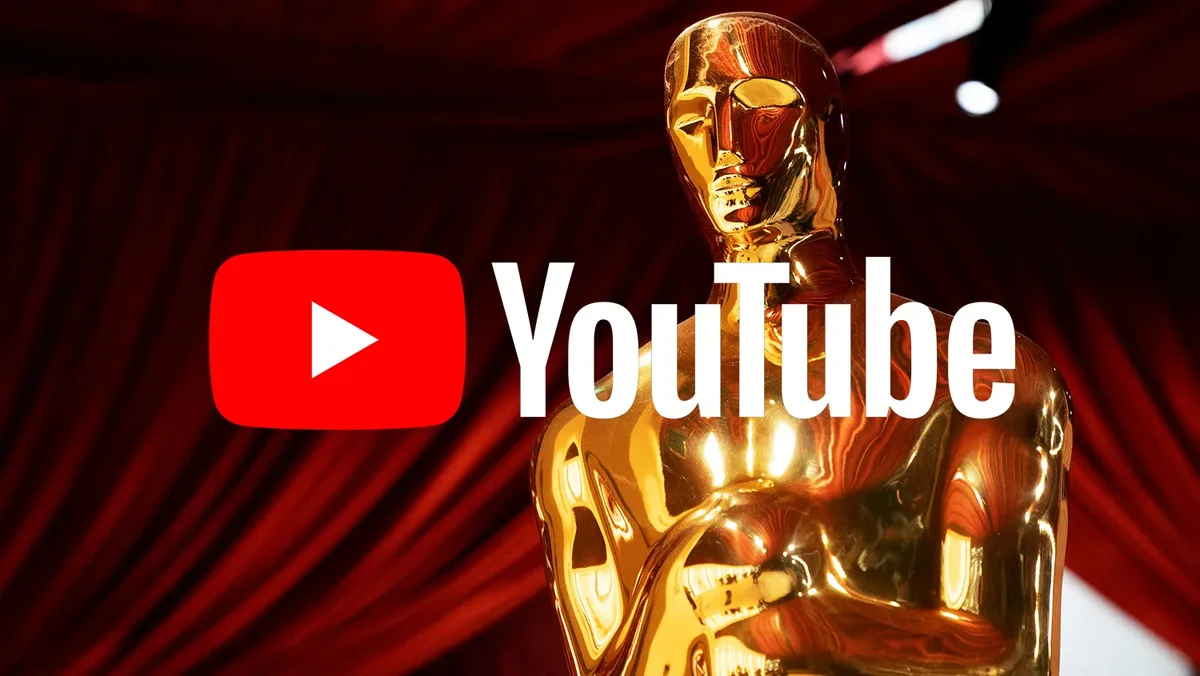
In what may be remembered as one of the most significant moments in television history, the Academy of Motion Picture Arts and Sciences announced Wednesday that the Oscars will abandon traditional broadcast television entirely, moving exclusively to YouTube beginning in 2029. The groundbreaking multi-year deal, which runs through 2033, marks the end of an era that has seen ABC serve as the ceremony's home since 1976.
The announcement sent shockwaves through Hollywood and the media industry, symbolizing the definitive triumph of streaming platforms over traditional broadcast networks. For the first time, one of the "Big Four" major American awards shows—the Oscars, Grammys, Emmys, and Tonys—will exist solely in the streaming universe, severing ties with broadcast television completely.
The End of a Legendary Partnership
ABC has been synonymous with the Academy Awards for nearly half a century, broadcasting cinema's most glamorous night to living rooms across America since the late 1970s. Under Disney's ownership, ABC continued this tradition, most recently paying around $100 million annually for the rights to air the ceremony. The network will broadcast its final Oscars telecast in 2028, marking the 100th edition of the awards show—a fitting symbolic conclusion to this long partnership.
Disney's statement reflected the bittersweet nature of the separation: the company acknowledged being the ceremony's home for more than half a century and expressed looking forward to the next three telecasts, including the centennial celebration. Yet behind this diplomatic language lies a more complex story of declining ratings, rising costs, and fundamental disagreements about the show's format and future direction.
Why YouTube Won the Bidding War
The Academy's search for a new broadcast partner throughout 2025 attracted attention from multiple major players. NBCUniversal and even Netflix entered discussions as potential suitors, but YouTube ultimately emerged victorious with a bid reportedly exceeding nine figures. Industry insiders believe YouTube's offer surpassed the high eight-figure proposals from both Disney/ABC and NBCUniversal.
What made YouTube's pitch irresistible wasn't just the financial package. The platform offered something traditional broadcasters couldn't match: instant global reach to over 2 billion users without the need for complex country-by-country distribution deals. While Disney held global rights to the Oscars under its previous agreement, it had to negotiate with local television partners in individual countries—a cumbersome process that limited the ceremony's international accessibility.
YouTube's proposal promised to make the ceremony available simultaneously worldwide, live and free of charge, fundamentally democratizing access to an event that has historically been constrained by geographical broadcasting limitations. For Academy members and filmmakers around the globe, this represented an unprecedented opportunity to connect with audiences in every corner of the world.
The Ratings Reality That Changed Everything
Understanding this seismic shift requires acknowledging the uncomfortable truth about the Oscars' declining cultural footprint. Oscar ratings peaked in 1998 when "Titanic" dominated the ceremony, drawing 55 million viewers, but the most recent telecast attracted only 20 million viewers—less than half the peak audience from just over two decades ago.
This dramatic audience erosion made the Oscars an increasingly risky investment for traditional broadcasters. While 20 million viewers might seem substantial, Disney executives had grown frustrated with the Academy's reluctance to modernize the telecast. Disagreements over the show's length, which categories to present during the live broadcast, and host selection created ongoing tension between the network and the Academy.
For Disney, which recently acquired rights to broadcast the Grammy Awards from CBS, the calculus became clear: the Oscars represented an expensive and depreciating asset. When Disney's exclusive negotiating window expired earlier this year, the company reportedly wasn't eager to match the aggressive offers from streaming competitors for a property no longer delivering the viewership or advertising revenue it once commanded.
Creative Freedom Without Time Constraints
One of the most intriguing aspects of the YouTube deal involves the creative latitude it affords the Academy. Traditional broadcast television operates within rigid time constraints, with networks acutely sensitive to every minute of programming that extends beyond scheduled blocks. This pressure has led to years of controversy about which awards should be presented during the live telecast versus relegated to commercial breaks or pre-show ceremonies.
On a streaming platform with no time limits, the Oscars can be any length the Academy desires, potentially giving them carte blanche to produce the show according to their vision. This freedom could manifest in multiple ways: longer acceptance speeches, more elaborate musical performances, comprehensive tributes to cinema history, or deeper dives into the nominated films' creative processes.
However, this freedom also raises questions. Will audiences sit through a four-hour or potentially even longer ceremony without the communal experience of watching it unfold simultaneously on television? Will the lack of constraints lead to a bloated, self-indulgent production that further alienates casual viewers? These questions won't be answered until 2029, but they're already generating intense debate throughout Hollywood.
What This Means for Hollywood's Creator Economy
Perhaps the most transformative aspect of the YouTube partnership involves how it might reshape Oscar coverage itself. YouTube is expected to give many of its content creators access to the awards, certainly on the red carpet and likely inside the Dolby Theatre as well. This represents a potential revolution in how major awards shows are covered and discussed.
Imagine popular film analysis YouTubers providing live commentary during the ceremony, fashion and style creators offering real-time red carpet critiques, or entertainment journalists conducting interviews with attendees for their channels. This democratization of coverage could make the Oscars feel more accessible and relevant to younger audiences who consume entertainment content primarily through digital creators rather than traditional entertainment media.
The integration of YouTube's creator ecosystem with Hollywood's most prestigious night could bridge a gap that has widened over recent years. Many younger viewers feel disconnected from the types of films typically celebrated at the Oscars, which tend to be theatrical releases they may never see in cinemas. Creator-driven coverage might help contextualize these films and generate interest in ways that traditional broadcast commentary hasn't achieved.
The Production Challenge Ahead
While the deal opens exciting creative possibilities, it also presents significant logistical challenges. Unlike traditional broadcasters or even streaming competitors like Netflix and Amazon Prime Video, YouTube lacks the extensive production infrastructure typically associated with major live events. Netflix has invested heavily in building production capabilities for live sports and award shows, while Amazon's experience with "Thursday Night Football" demonstrates the technical sophistication required for seamless live streaming at scale.
YouTube has three years to assemble the team, technology, and expertise necessary to produce what will be one of the highest-profile live events in global entertainment. The platform has successfully streamed individual creator events and some live concerts, but nothing approaching the complexity, prestige, and global scrutiny of the Academy Awards.
Some industry observers suggest the Academy may have specifically chosen YouTube precisely because it could potentially take over full production control of the Oscars, rather than negotiating creative decisions with an experienced broadcast partner. This autonomy could be liberating or overwhelming, depending on the Academy's ability to execute at the highest level.
Global Accessibility and Inclusivity
Beyond the creative and business implications, the YouTube deal promises to make the Oscars genuinely accessible to a global audience in ways never before possible. The ceremony will be available to YouTube TV subscribers in the United States and free to YouTube's 2 billion-plus global users, with enhanced features including closed captioning and audio tracks in multiple languages.
This commitment to accessibility represents a meaningful evolution for an awards ceremony that celebrates international cinema but has historically been difficult to watch for many global film fans. The Academy's characterization of itself as an international organization takes on new meaning when the awards it presents can be watched simultaneously by anyone with an internet connection, regardless of their location or ability to pay for cable television.
For filmmakers in developing nations, emerging cinema markets, and regions where access to American television programming has been limited, this represents an unprecedented opportunity to engage with the global film community. The democratizing potential of this accessibility could influence not just who watches the Oscars, but ultimately which films and filmmakers the Academy recognizes.
The Broader Implications for Live Event Broadcasting
The Oscars' migration to YouTube represents more than just one awards show changing platforms. It signals a fundamental restructuring of how we consume live event programming in the streaming era. While other major award shows like the Emmys and Grammys have inked streaming partnerships, this is the first major deal to drop broadcast television completely.
Traditional broadcasters must now confront the reality that even their most prestigious, culturally significant programming can be successfully monetized and distributed by digital platforms. YouTube's dominance in streaming television viewing—representing the largest share of U.S. streaming TV consumption according to Nielsen—demonstrates the platform's ability to compete directly with traditional television networks on their own turf.
This deal will likely accelerate similar moves by other major live events. Sports leagues, awards ceremonies, and special event programming that once seemed permanently anchored to broadcast television must now consider whether streaming-first or streaming-exclusive distribution better serves their audiences and financial interests.
The Advertising Question
While the announcement generated significant buzz, some important details remain unclear. Sources indicate that there will continue to be commercials during the Oscars on YouTube, maintaining the advertising-supported model that has funded the ceremony on broadcast television. However, the specifics of ad placement, frequency, and format have not been disclosed.
YouTube's advertising ecosystem operates differently from traditional television, offering more targeted ad placement and potentially varying ad experiences for different viewers. This flexibility could make the Oscars more valuable to advertisers seeking specific demographics, but it also raises questions about whether the ceremony will feel like a cohesive shared experience if viewers encounter different commercial breaks.
Looking Toward 2029
As Hollywood processes this transformative announcement, attention naturally turns to what the first YouTube-hosted Oscars will look like in 2029. Will the ceremony embrace its digital platform with interactive features, real-time polling, or enhanced behind-the-scenes access? Will YouTube creators become integrated parts of the official broadcast, or will they exist in a parallel ecosystem of commentary and coverage?
The Academy has three more years with ABC to refine its vision and prepare for this transition. The 100th Academy Awards in 2028 will serve as both a celebration of the ceremony's history and a farewell to the broadcast era that defined it for generations.
Academy CEO Bill Kramer and President Lynette Howell Taylor expressed enthusiasm about the partnership's potential to inspire new generations of filmmakers and provide unprecedented global access to film history. Whether this optimism proves justified will depend on YouTube's execution and the Academy's ability to reimagine the Oscars for the streaming age while preserving the prestige and cultural significance that have made them Hollywood's biggest night.
The Verdict: Revolution or Risk?
The Oscars' move to YouTube represents either a bold embrace of entertainment's digital future or a risky abandonment of the broadcast television model that built the ceremony into a cultural institution. Perhaps it's both—a necessary evolution that carries significant uncertainty about whether the awards will maintain their relevance in an increasingly fragmented media landscape.
One thing remains certain: when the 101st Academy Awards stream exclusively on YouTube in 2029, it will mark a definitive end to one era and the beginning of another. Whether viewers will embrace this new chapter or mourn what's been lost remains to be seen, but Hollywood will never be quite the same.
Comments (0)
Please log in to comment
No comments yet. Be the first!