Technology
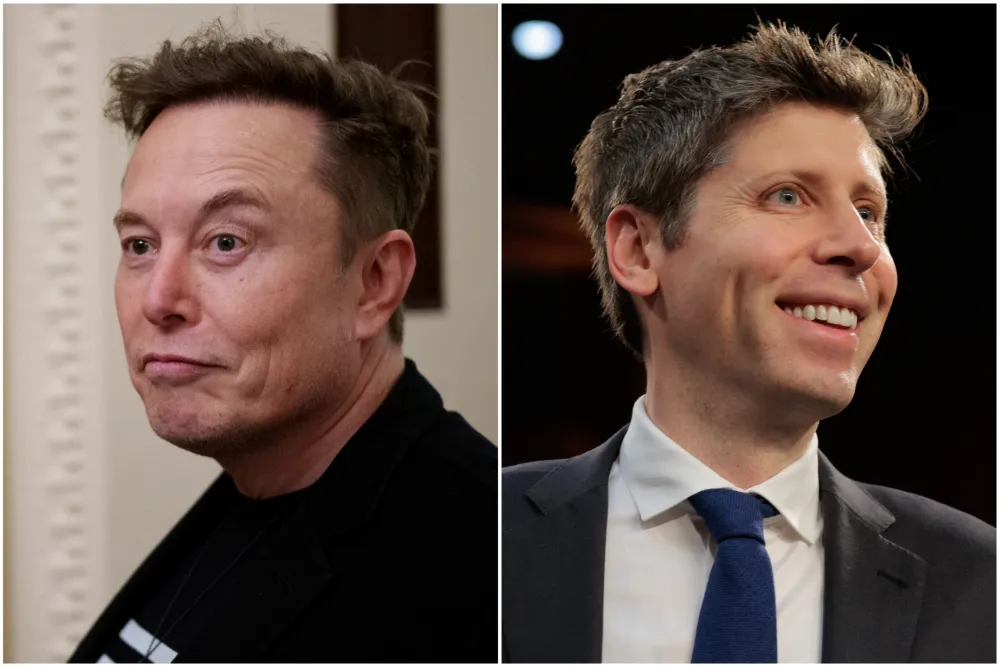
Jury Rejects Elon Musk's Lawsuit Against OpenAI and Sam Altman
In one of the most closely watched tech trials of 2026, a federal jury dealt Elon Musk a decisive defeat on May 18, unanimously rejecting his lawsuit against OpenAI and its CEO Sam Altman. The verdict arrived in less than two hours of deliberation — a stinging outcome for the world's richest man after three weeks of dramatic courtroom testimony. For AI watchers, investors, and tech enthusiasts, this ruling is a landmark moment. Here on digital8hub.com, we break down everything you need to know.
Background: Why Did Musk Sue OpenAI?
Elon Musk co-founded OpenAI back in 2015 with the explicit goal of building artificial intelligence "for the benefit of humanity" — not for profit. He personally contributed around $38 million to the organization, operating under the belief that OpenAI would remain a nonprofit in perpetuity.
However, OpenAI's evolution into one of the world's most powerful and commercially successful AI companies — now valued at approximately $852 billion — set the stage for Musk's legal challenge. In 2024, Musk filed suit accusing OpenAI executives of "stealing a charity," alleging that Sam Altman and co-founder Greg Brockman abandoned the founding charitable mission in favor of personal profit. Musk also named Microsoft as a defendant, claiming the tech giant aided OpenAI in breaching its charitable trust.
Musk's legal team sought to force OpenAI and Microsoft to return as much as $180 billion in alleged ill-gotten gains, remove Altman and Brockman from leadership, and unwind OpenAI's 2025 restructuring into a for-profit entity.
What the Jury Decided — and Why It Was So Quick
The nine-person jury at the federal courthouse in Oakland, California, reached its verdict in under two hours — a remarkable speed given the complexity of the case. The decision came down not to whether Musk's core claims were valid, but to timing.
Jurors concluded that Musk knew — or reasonably should have known — about OpenAI's transition toward a for-profit model as early as 2017 and 2018, years before he filed the lawsuit in 2024. Under the applicable three-year statute of limitations, that delay was fatal to his case.
U.S. District Judge Yvonne Gonzalez Rogers immediately adopted the jury's advisory verdict and dismissed all of Musk's remaining claims in full, stating there was sufficient evidence to support the jury's finding.
Musk responded on X, calling the decision a "calendar technicality" and vowing to appeal. His attorney Marc Toberoff told reporters outside the courthouse that the case "at its core, is about preserving charities from exploitation."
OpenAI's Defense: Restructuring Was Necessary
OpenAI and Altman's legal team countered that no binding promise ever existed to keep the company a nonprofit indefinitely. They argued that Musk himself was aware of internal discussions about alternative corporate structures as early as 2017–2018. Furthermore, OpenAI's lawyers maintained that pivoting to a for-profit model was the only viable path to raise the enormous capital needed to compete in the expensive race toward advanced AI development.
Key witnesses included Sam Altman, Greg Brockman, and even Microsoft CEO Satya Nadella, who all testified during the three-week trial. Their unified message: OpenAI's restructuring was a business necessity, not a betrayal.
What This Means for OpenAI's IPO
The timing of this verdict could not be more consequential. OpenAI is planning to launch one of the largest IPOs in history later in 2026. Had the jury sided with Musk, the lawsuit could have significantly delayed or derailed those plans, shaking investor confidence and upending the AI industry's power structure.
With the case now dismissed, OpenAI's IPO path is considerably clearer. The ruling effectively validates OpenAI's corporate evolution and removes a major legal cloud from what is poised to be a historic market event.
The Musk–Altman Rivalry: A Decade in the Making
This lawsuit was the latest chapter in what has become a nearly decade-long feud between two of the most influential figures in technology. Musk left OpenAI's board in 2018, citing conflicts of interest with his work at Tesla. Since then, the two men have clashed repeatedly — most visibly when Musk launched his own AI venture, xAI, in direct competition with OpenAI's ChatGPT.
For many industry observers, the trial was as much about ego and rivalry as it was about legal principle. Regardless of the appeal's outcome, the public battle has drawn fresh scrutiny to the ethics of AI commercialization and the responsibilities that come with nonprofit origins.
Why This Matters for AI's Future
The Musk vs. OpenAI case raises questions that extend far beyond two billionaires and their personal grudge. As AI companies scale to hundreds of billions in valuation, the line between charitable intent and commercial ambition becomes increasingly blurry.
Key takeaways for the broader AI ecosystem:
Governance matters. The case highlights how early governance decisions — including organizational structure — have long-term legal and ethical consequences.
Nonprofit-to-profit transitions face scrutiny. More AI organizations may face similar legal challenges as they seek capital to grow.
Statutes of limitations can be decisive. Even legitimate grievances can fail on procedural grounds if not acted upon quickly.
At digital8hub.com, we believe staying informed about these seismic shifts in technology and business is essential for navigating the AI-driven world ahead. Whether you're a startup founder, tech investor, or simply a curious observer, the Musk–OpenAI verdict is a must-understand moment in the story of AI.
Final Verdict: OpenAI Wins, Musk Vows to Fight On
The jury spoke quickly and clearly: Musk waited too long. OpenAI and Sam Altman emerge from the trial legally vindicated, with a cleaner runway toward their historic IPO. Musk may appeal, but the road ahead is steep.
One thing is certain — as AI continues to reshape industries and societies, the battles over who controls it, and for whose benefit, are only just beginning.
Stay ahead of the curve with the latest in tech, AI, and business news at digital8hub.com.
Comments (0)
Please log in to comment
No comments yet. Be the first!