Technology
Apple's Revolutionary AR Glasses Patent: Adjustable Fit Without Compromising Optical Alignment for 2026 Launch
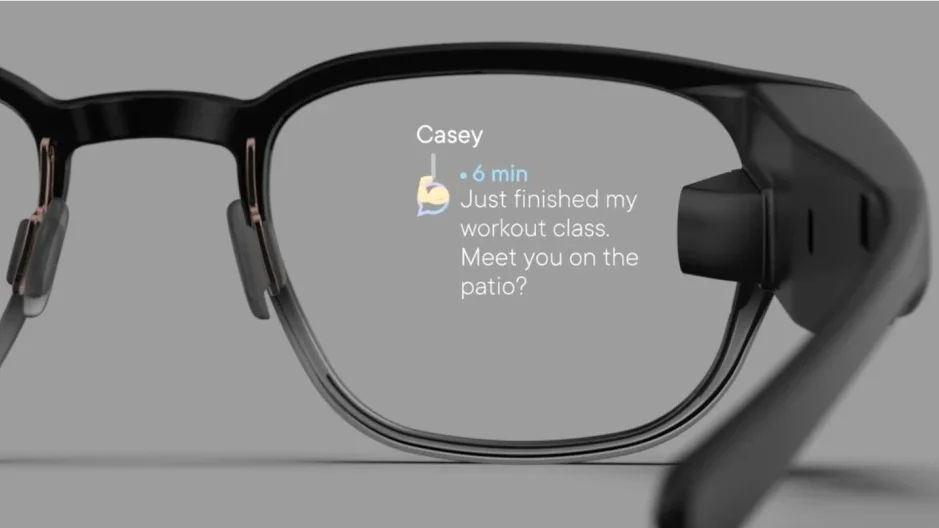
Apple Patents Smart AR Glasses Design: Flexible Fit That Adapts to You, Not the ReverseOn January 2, 2026, a freshly granted Apple patent has sparked excitement among tech enthusiasts, detailing a clever engineering solution for future AR glasses. The invention addresses a core problem in wearable augmented reality: how to let users adjust the frame for comfort and fit different head shapes without misaligning the delicate optical components that project displays into the user's eyes.Titled in coverage as "Apple wants AR glasses that fit you, not the other way around," this patent describes a structure where the temples (arms) hinge forward near the front frame, separating mechanical flexibility from optical rigidity. Springs or biasing elements ensure a snug fit, while the display modules remain fixed—preventing image drift when you bend the arms.This innovation could be crucial for Apple's rumored Apple Glasses or smart AR eyewear, expected to debut in late 2026 or 2027. For fans tracking Apple AR glasses 2026 news, it signals serious progress toward comfortable, all-day wearable tech.Breaking Down the Apple AR Glasses PatentDiscovered by Patently Apple and reported widely (including Digital Trends on January 2, 2026), the patent illustrates:A rigid front housing containing projectors, waveguides, and other optics.
Temples attached via forward hinges, allowing rotation and inward pressure for custom fit.
Biasing mechanisms (like springs or cantilevers) to grip the head securely without pulling on the optics.
Unlike competitors such as Meta's Ray-Ban smart glasses, where adjustments might flex electronics in the arms, Apple's approach isolates sensitive components. This ensures stable AR overlays—no shifting virtual images when you tweak the fit.The patent emphasizes aesthetics too: clean lines, minimal bulk, and eyewear-like comfort. While patents don't guarantee products, this one aligns with Apple's focus on practical wearability.For the full patent details and visuals, check Patently Apple's breakdown and Digital Trends' article: https://www.digitaltrends.com/wearables/apple-wants-ar-glasses-that-fit-you-not-the-other-way-around/.Apple's Path to Everyday AR Glasses in 2026Apple's AR ambitions date back years, with CEO Tim Cook calling it a "top priority." The Vision Pro headset (updated with M5 chip in 2025) laid groundwork for spatial computing, but its bulk and price limited adoption—leading to reported production cuts in early 2026.Now, resources have shifted to lighter smart glasses. Rumors from Bloomberg, MacRumors, and others point to:A 2026 reveal, possibly at WWDC, with launch in late 2026 or 2027.
Initial model as an iPhone accessory: cameras, microphones, speakers, AI-powered Siri—no built-in display for lighter weight.
Advanced follow-up with micro-OLED displays for true AR overlays.
Customizable frames, temples, and materials for fashion appeal.
Integration with Apple Intelligence for visual lookups, navigation, translations, and more.
Apple has reportedly secured much of the global micro-OLED supply for 2026-2027, hinting at display-equipped versions soon.This patent fits perfectly: solving alignment issues for reliable AR when displays arrive.Challenges and Competition in AR Wearables 2026Making AR glasses "fit you, not the other way around" tackles real barriers:Comfort for all-day wear (weight, heat, ergonomics).
Stable optics across head sizes and movements.
Social acceptability—looking like normal glasses, not bulky tech.
Competitors like Meta (Orion prototype, Ray-Ban Meta) and Google are advancing, but Apple's ecosystem, privacy focus, and design prowess could differentiate.Privacy concerns with face-mounted cameras remain, but Apple's on-device processing may ease worries.What This Means for Consumers and the Future of Apple GlassesIf realized, these glasses could make AR mainstream: hands-free directions, real-time info, enhanced Siri—all in stylish frames.Early models might start as AI glasses (audio, camera, no HUD), evolving to full AR. Pricing rumors suggest $600-$1,000, more accessible than Vision Pro.With Vision Pro sales underwhelming, Apple needs a hit. This patent shows commitment to solving fit and alignment—key for "glasses that fit you."As CES 2026 approaches, expect more leaks. For now, this invention fuels hype for Apple's AR future.
Comments (0)
Please log in to comment
No comments yet. Be the first!