Technology
Apple Is Testing Multiple Styles for Its Upcoming Smart Glasses
Apple Is Testing Multiple Styles for Its Upcoming Smart Glasses — Here's Everything We Know
Apple is finally getting serious about smart glasses — and it's doing what Apple always does: making sure the product looks as good as it performs before it ships.
According to Bloomberg's Mark Gurman, Apple is testing four designs for its upcoming smart glasses and could ultimately launch with some or all of them. TechCrunch
The news, published in Gurman's Power On newsletter on April 12, 2026, gives us the most detailed look yet at Apple's smart glasses strategy — internally codenamed N50 — and confirms the project is moving from concept to serious prototype phase.
The Four Frame Styles Apple Is Testing
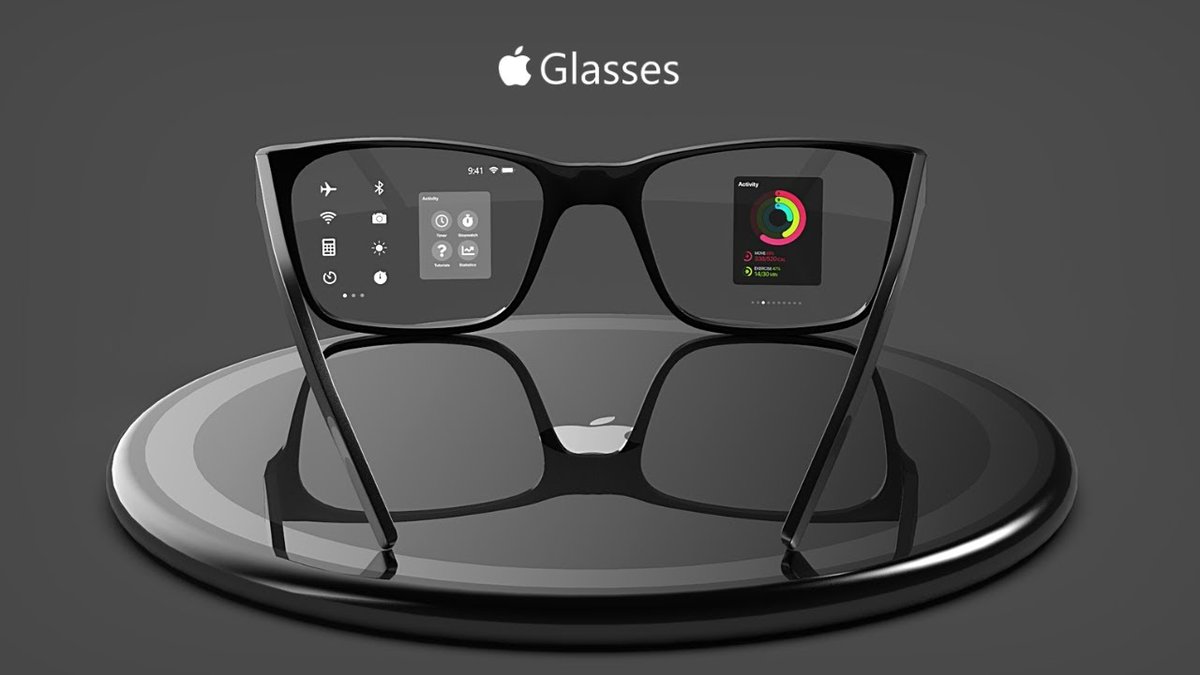
The designs reportedly include a large rectangular frame, a slimmer rectangular frame similar to the glasses worn by CEO Tim Cook, a larger oval or circular frame, and a smaller oval or circular frame. TechCrunch
Four frame styles in prototype testing is unusually broad for a first-generation hardware product. This range mirrors how Apple launched Apple Watch with multiple case sizes, ensuring the product doesn't fail because of fit and fashion mismatches rather than technology limitations. Gizchina
Apple is counting on its superior design taste to stand out from rivals like the Ray-Ban Meta Glasses. 9to5Mac By launching multiple styles simultaneously, Apple is hedging its bets on which aesthetic will resonate most with mainstream consumers — and ensuring there's a pair for every face shape and personal style.
Premium Materials: Why Apple Is Using Acetate
One of the most telling details about Apple's ambitions for these glasses is the choice of materials. Rather than something common like plastic, Apple is planning to use acetate, a "durable" and "luxurious" material, for the main body of the glasses. 9to5Mac
Acetate is heavier than plastic, takes color better, feels more substantial, and ages differently — it develops a patina rather than yellowing. Using it signals that Apple isn't positioning this as a technology gadget with glasses attached. It's positioning this as eyewear that happens to contain technology. That distinction shapes everything from the retail experience to who buys it. Gizchina
Apple is also considering different colors including black, ocean blue, and light brown. TechCrunch These subdued, fashion-forward palette choices reinforce the message that these glasses are designed to be worn everywhere — not just at a tech demo.
The Camera Design: Oval, Not Round
Apple is also differentiating itself from Meta with a distinctive camera arrangement. Apple might be differentiating its design with "vertically oriented oval lenses with surrounding lights." Engadget
The front cameras of the glasses will be arranged in an oval pattern with indicator lights, setting Apple's product apart from competitors. This is part of Apple's strategy to create a design that is instantly recognisable, just like AirPods and Apple Watch. NewsBytes
The LED indicator lights serve a dual purpose — both aesthetic differentiation and privacy signalling, letting people nearby know when cameras are active.
What the Smart Glasses Will Actually Do
It's important to note what these glasses are — and what they aren't. These glasses are not augmented reality. They are simple wearable spectacles that feature integrated cameras, microphones, and sensors. They'll be able to relay notifications from your phone, capture personal photos and videos, play music, and enable interactions with AI features like upgraded Siri and visual intelligence capabilities. 9to5Mac
The glasses will connect with an iPhone for most of their functionalities. It's really part of an attempt by Apple to take advantage of the power of artificial intelligence and computer vision. AppleInsider
Apple Glass won't be a product in isolation. It's part of a larger three-pronged AI wearable strategy that also includes AirPods with cameras — featuring infrared cameras in each earbud — and a wearable pendant with multiple microphones, a speaker, and cameras on the front. The idea is that Apple wants to use all of this hardware to feed a view of the user's surroundings into Apple Intelligence, creating contextual awareness for Siri based on what the devices can "see." AppleInsider
Apple vs. Meta Ray-Bans: The Comparison Everyone Will Make
The inevitable point of comparison is Meta's Ray-Ban smart glasses — currently the dominant product in this category.
These glasses sound closer to the Meta Ray-Ban glasses. They won't have any displays, but will allow users to take photos and videos, answer phone calls, play music, and interact with the long-promised Siri upgrade. TechCrunch
The key differentiators Apple is banking on are design quality, ecosystem integration, and AI capability. Early pricing speculation circles around $499 at the entry level, targeting Meta's Ray-Ban territory while justifying Apple's ecosystem premium. Gizchina
The big question is whether Apple's Siri will be meaningfully better by the time the glasses launch. Apple is banking on Siri being meaningfully better by 2027. The assistant's current limitations would make a screenless AI device frustrating rather than useful. Whether that gap closes in time is the real question. Gizchina
Timeline: When to Expect Them
The smart glasses project is purportedly on track to be announced either later this year or early in 2027, with an actual release in spring or summer 2027. 9to5Mac
A possible WWDC 2026 preview in June would give developers a window to build for the platform before glasses reach retail. Production starts December 2026 if development stays on schedule. Gizchina
Apple is still believed to be working on advanced augmented reality glasses with integrated displays, but the timeline for this is much further out. 9to5Mac
Why This Matters
Apple entering the smart glasses market isn't just a product launch — it's a category validation. When Apple commits to a wearable form factor, it typically transforms that category from niche to mainstream (as it did with smartwatches in 2015).
The glasses form part of Apple's strategy to launch a bevy of AI-centric devices in the coming years, including AirPods with integrated cameras, a smart home display, and a wearable pendant with cameras. 9to5Mac
For the millions of people wearing glasses every day, the prospect of Apple turning their eyewear into an AI-powered, always-available assistant — without looking like a cyborg — is genuinely compelling.
For more coverage of Apple news, wearable tech, and AI devices, visit digital8hub.com — your go-to source for the technology shaping 2026 and beyond.
Comments (0)
Please log in to comment
No comments yet. Be the first!